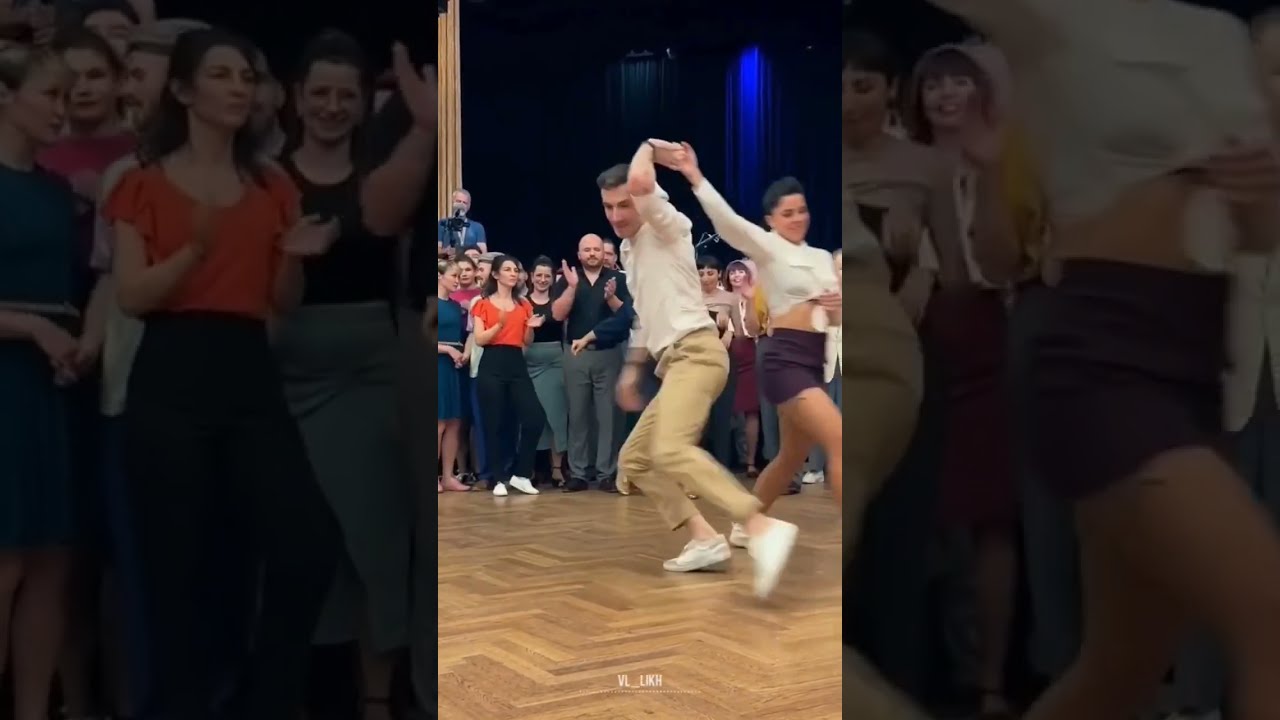
Few songs in the history of popular music have demonstrated the staying power of Chubby Checker’s “Let’s Twist Again.” Originally released in 1961 as a follow-up to his landmark h.i.t “The Twist,” the track became one of the defining anthems of early rock and roll dance culture.
A recent video from the PrinceAkiles channel, featuring a lively partner-swap twist performance, has accumulated over six million views — a figure that speaks to just how enduring this style of music and movement remains across generations.
The twist as a dance form emerged in the late 1950s and reached its peak popularity in the early 1960s, crossing over from rhythm and blues clubs into mainstream American culture with remarkable speed. Chubby Checker’s televised appearances on American Bandstand introduced the style to millions of viewers who had never set foot in a dance hall.
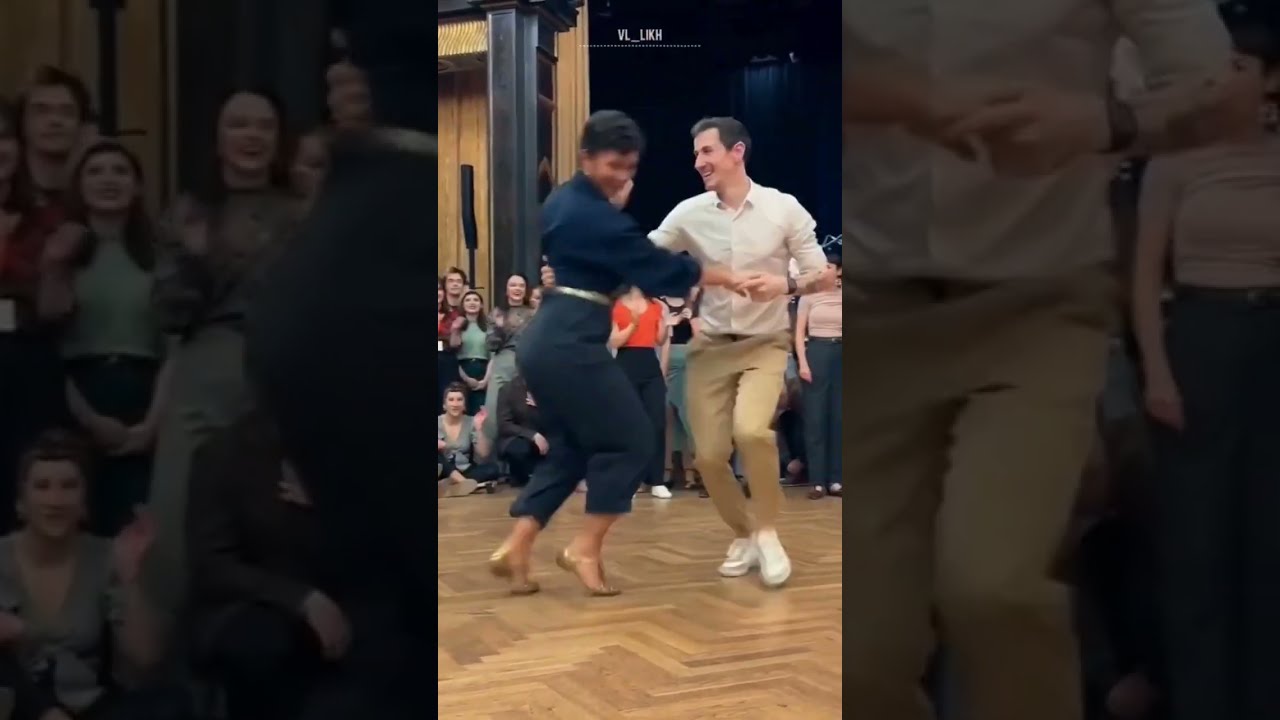
The core movement — rotating the hips while keeping the feet planted — was simple enough for anyone to attempt, yet expressive enough to reward those who had truly mastered it. That accessibility is a significant part of why the form has never fully disappeared.
The clip itself showcases a group of dancers performing the twist with confident partner exchanges, maintaining the high-energy tempo of the original recording throughout. Audience comments from viewers across Argentina, Mexico, Brazil, Russia, and Spain reflect both nostalgia and genuine admiration for the technical quality on display.
Several commenters noted that the dancers capture the authentic spirit of the era, with one viewer describing the performance as a representation of a “golden age” of social dancing that felt healthy, joyful, and communal.
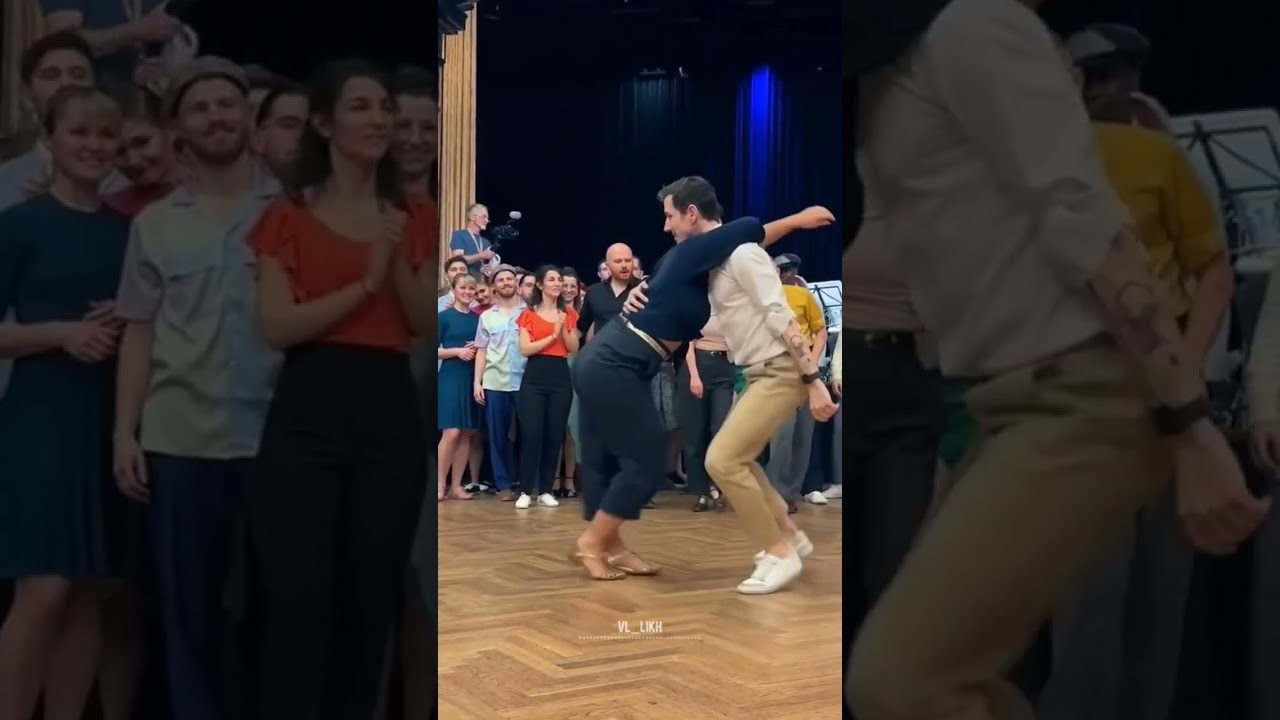
Another viewer, who mentioned being 85 years old, wrote that the era of rock and roll dancing remained one of the most memorable and physically joyful periods of their life.
What makes a video like this resonate so broadly in the current digital landscape is its reminder that mid-century American popular music — rock and roll, rhythm and blues, and the dances that accompanied them — spread globally in ways that few cultural exports have matched.
As one commenter observed, whatever other criticisms one might level, the music that came out of the United States from the 1940s onward has been danced to by young people across every generation and every continent since.
The twist specifically became an international phenomenon, adopted and adapted in countries far removed from its origins. That cross-cultural reach is visible in the comment section of this very clip, where viewers are writing in Spanish, Portuguese, Russian, and more.
The full performance, capturing the energy and rhythm that have made this classic so enduring, is available in the video below.