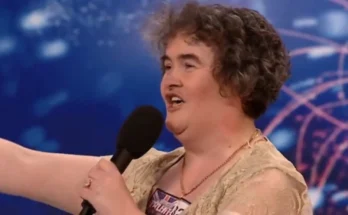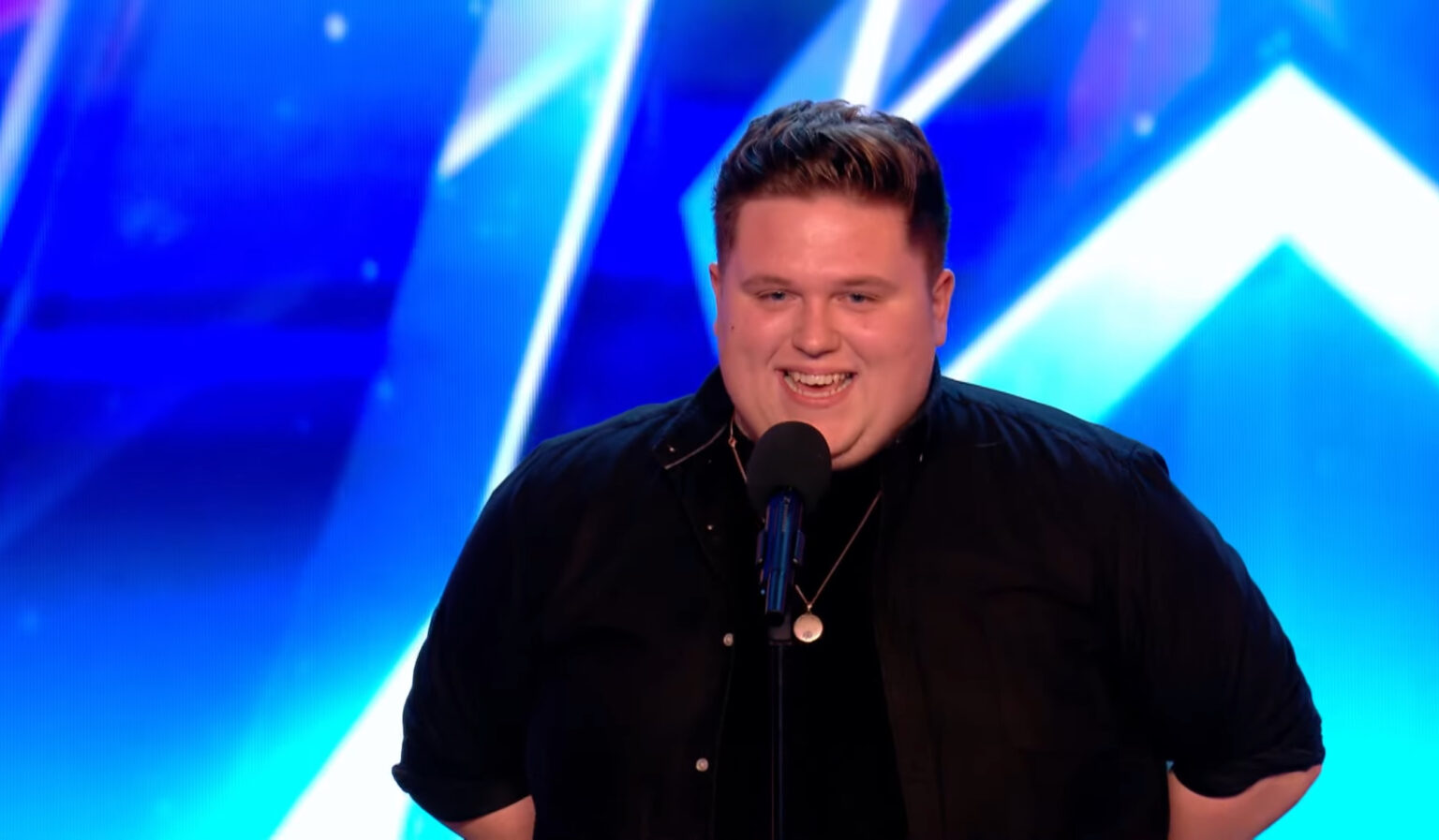
When Jamie Lee Harrison walked onto the Britain’s Got Talent stage, you could tell straight away that this wasn’t just another audition for him — it felt like a crossroads. At twenty-four, the Newcastle-based singer had been cutting his teeth performing in local pubs and clubs, learning how to read a small, often inattentive room and coax applause out of people who’d mostly come for a pint. But tonight carried more weight than any regular gig. Jamie admitted to the judges that he’d hit what he called a “brick wall.” For months, even years, he’d been told by friends, strangers, and critics that he “didn’t have it in me.” Those words had piled up until he was seriously considering walking away from singing altogether. The pressure was real and raw — the only person who had kept him going was his mother, he revealed, waiting anxiously by the phone at home. That image — a mum pacing, phone in hand, hoping her son’s lifelong dream didn’t die in a studio — made the stakes feel immediate and deeply human.
You could see the vulnerability wrapped around Jamie like a second skin. He didn’t posture or grandstand; instead he spoke with the weary honesty of someone who had been bruised by criticism but still held a spark of stubborn hope. Picking R.E.M.’s “Everybody Hurts” felt like more than a song choice — it was a statement. The song itself is a universal balm, a slow-building anthem about perseverance in the face of despair, and Jamie’s history made it particularly apt. In a way, the lyrics mirrored his life: the late-night drives home after thankless sets, the rehearsals when his confidence wavered, the lonely practice sessions at 2 a.m. when everyone else was asleep. This performance wasn’t just about impressing judges; it was about proving to himself and to his mother that his voice still mattered.
From the first note, Jamie’s voice did something quietly powerful — it settled the room. Earlier that day the show had seen a string of oddball acts and unpredictable moments, and the theatre had been buzzing with a “bonkers day” kind of energy. But when he sang, there was a collective inhalation, as if everyone involuntarily leaned in to listen. His tone was smooth and soulful, with a texture that suggested both youth and an old-soul sensibility. He didn’t rely on flashy runs or technical gymnastics; instead he invested in the emotional core of the song, letting each word land with intention. There were small touches that revealed his lived experience — a slight rasp on a lower note that hinted at late-night gigs and cigarette smoke, a breathy catch that turned a line from lyric to confession. These imperfections made the performance feel lived-in and honest rather than overproduced.
As the song built, Jamie’s control and restraint became increasingly impressive. He navigated the dynamics with care — softening during the verses to draw listeners closer, then opening up on the chorus to release the emotional tension he’d been carrying. It was the kind of delivery that doesn’t just show technical ability but invites the audience into a moment. People in the crowd watched with open faces; some mouths formed silent “o”s of surprise, others nodded as if in recognition. In a theatre filled with cameras, lights, and the hum of production, Jamie made everything feel intimate. He performed like someone who had spent years practicing the difficult art of making a stranger care.
The judges’ responses were immediate and warm. Amanda Holden praised his voice as “really soulful” and “honest,” highlighting the authenticity that had cut through the noise of the day’s earlier acts. Alesha Dixon went further, telling him he was the first performer she’d seen that day with the potential to “really genuinely become a star” beyond the television bubble — high praise that suggested a marketable, translatable talent. Simon Cowell, who had been waiting all day to be impressed, called Jamie the act he’d been hoping for. Simon’s words carried weight; to hear the show’s notoriously pragmatic judge say he heard “real soul” in Jamie’s voice felt like a professional seal of approval. Their praise didn’t feel canned — it felt earned, like a room collectively acknowledging someone who had finally found his moment.
When the four “yes”es came through unanimously, it was more than a competition result. It felt like a reprieve, an emotional lifeline thrown to someone on the brink of giving up. The applause that followed was not only for the performance but for the story behind it: the mum waiting by the phone, the nights of doubt, the small stages that had shaped his craft. For Jamie, the unanimous vote forward didn’t just mean another round in a televised talent show; it meant permission to keep trying, to continue chasing the dream that so many had told him to abandon.
Leaving the stage, you could see the relief and quiet joy on his face. The moment in Blackpool had given him more than a pass to the next round — it had handed him renewed belief. For anyone who’s ever been told they’re not good enough, Jamie’s audition served as a reminder that sometimes perseverance, honesty, and a single heartfelt performance can turn a brick wall into the beginning of something new.