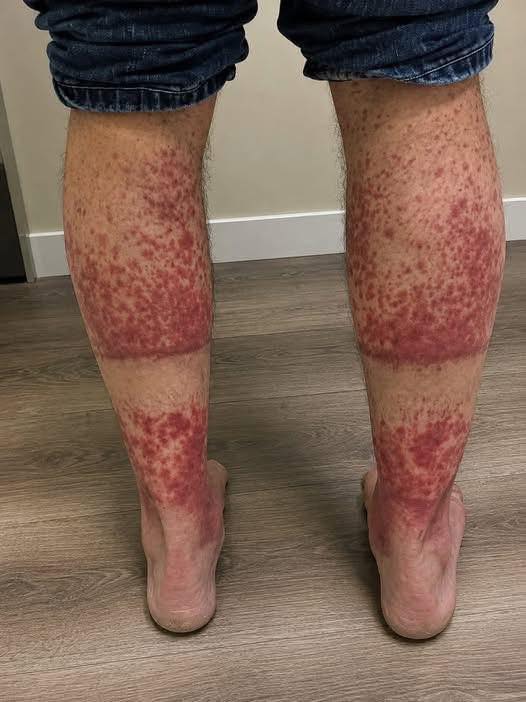
Skin changes on the legs are more common than many people realize. Dryness, redness, itching, small bumps, or irritation can appear for many different reasons, and in most cases, they are connected to everyday habits, weather, clothing, or simple skin sensitivity.
Often, these changes are temporary and improve with gentle care. The key is to notice what may be irritating the skin and to make small adjustments before the discomfort becomes worse.
One common cause is friction. Tight clothing, exercise, walking for long periods, or repeated rubbing can irritate the skin on the legs. This may lead to redness, itching, or a burning sensation, especially in areas where fabric presses against the skin. Wearing softer, breathable clothing can help reduce this kind of irritation.
Shaving can also make the skin more sensitive. Using a dull razor, shaving too quickly, or applying products with harsh ingredients may leave the legs feeling dry, itchy, or inflamed. To reduce irritation, it can help to use a clean razor, shave gently, and apply a moisturizing lotion afterward.
Dry skin is another frequent reason for discomfort. This often becomes more noticeable during colder months or in homes with dry indoor air. When the skin loses moisture, it may become rough, flaky, tight, or itchy. Regular moisturizing can make a big difference, especially after bathing, when the skin can better absorb hydration.
The products used on the skin also matter. Strongly scented soaps, body washes, lotions, or laundry detergents may trigger sensitivity in some people. Switching to gentle, fragrance-free products can help calm the skin and reduce repeated irritation.
Warm weather can create its own problems. Sweat, heat, insect bites, and contact with certain plants may all lead to temporary reactions on the legs. In these cases, wearing light fabrics, showering after sweating, staying hydrated, and avoiding scratching can support healing and prevent the skin from becoming more irritated.
Most mild skin changes can improve with simple care, but some symptoms should not be ignored. If redness spreads, swelling appears, itching becomes severe, bumps worsen, or the irritation lasts for a long time, it is best to speak with a qualified healthcare professional. A doctor or dermatologist can help identify whether the issue is related to allergies, infection, eczema, circulation, or another medical cause.
In the end, the most important thing to remember is that skin changes on the legs are not always a reason to panic. But they are a signal worth paying attention to. With gentle products, regular moisturizing, breathable clothing, and careful observation, many common skin problems can be managed before they become more serious.