The palace gates, once left slightly ajar in hopes of reconciliation, have slammed shut with a finality that has shaken the foundations of the monarchy. For years, a storm of speculation, tabloid frenzy, and carefully curated narratives has swirled around the Sussex household. But now, the facade has finally crumbled under the weight of hard evidence, forcing King Charles III to transition from a patient, hopeful father to a decisive, uncompromising sovereign.
The “royal hammer” has fallen, not in a fit of rage, but through a cold, calculated operation to protect the dignity of the Crown.
The Anatomy of a Collapse
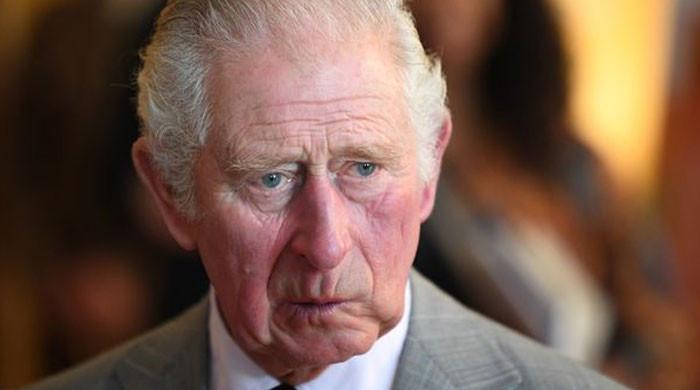
For the better part of a decade, the public has been treated to a meticulously managed story of royal exodus and personal liberation. However, the release of explosive documentation—including alleged secret recordings and testimony from those once deeply embedded in the Sussex inner circle—has painted a far darker picture.
The turning point was not a mere rumor, but a systematic unravelling of the “Sussex narrative.” Allegations that once seemed like tabloid fodder were suddenly backed by concrete timelines and chilling accounts of internal manipulation. The image of a fairy-tale romance was rapidly being replaced by a stark, documented reality of career-driven maneuvers and the deliberate isolation of a Prince from his own bloodline.
The Moment the Truth Broke
Inside Buckingham Palace, the atmosphere shifted from concern to crisis. King Charles, historically known for his efforts to keep the door open for his younger son, found himself at a crossroads where the survival of the institution outweighed the sensitivities of personal diplomacy.
When the most damning evidence—a series of recordings suggesting the deliberate leverage of royal titles for commercial exploitation—reached the King’s desk, the hesitation vanished. The palace, which had long maintained a policy of “never complain, never explain,” realized that this specific crisis required a different kind of surgery.

The King moved with a precision that silenced the critics. An emergency summons was issued, and for the first time, the “royal hammer” wasn’t just a threat—it was an administrative reality. The move to restrict the use of royal assets for personal branding was no longer a negotiation; it was a mandate.
A Prince’s Reckoning
The impact on Prince Harry has been described as cataclysmic. Caught between a lifetime of royal duty and the life he built in California, the Prince has faced a brutal reality check. Reports from within the inner circle suggest a man finally seeing the cracks in the foundation he helped build.
For Harry, the realization that he may have been a pawn in a strategy designed to dismantle the very home he once held dear has led to a profound, agonizing shift in perspective. The tension in the Sussex home is no longer a private matter; it is the focal point of a global media frenzy that refuses to look away.
The Final Verdict
King Charles has made his position clear: the monarchy is not a launchpad for individual ambition, nor is it an asset to be liquidated for profit. By distancing the institution from the chaotic, unauthorized maneuvers of the Sussex brand, the King has solidified his role as a protector of the Crown’s legacy.
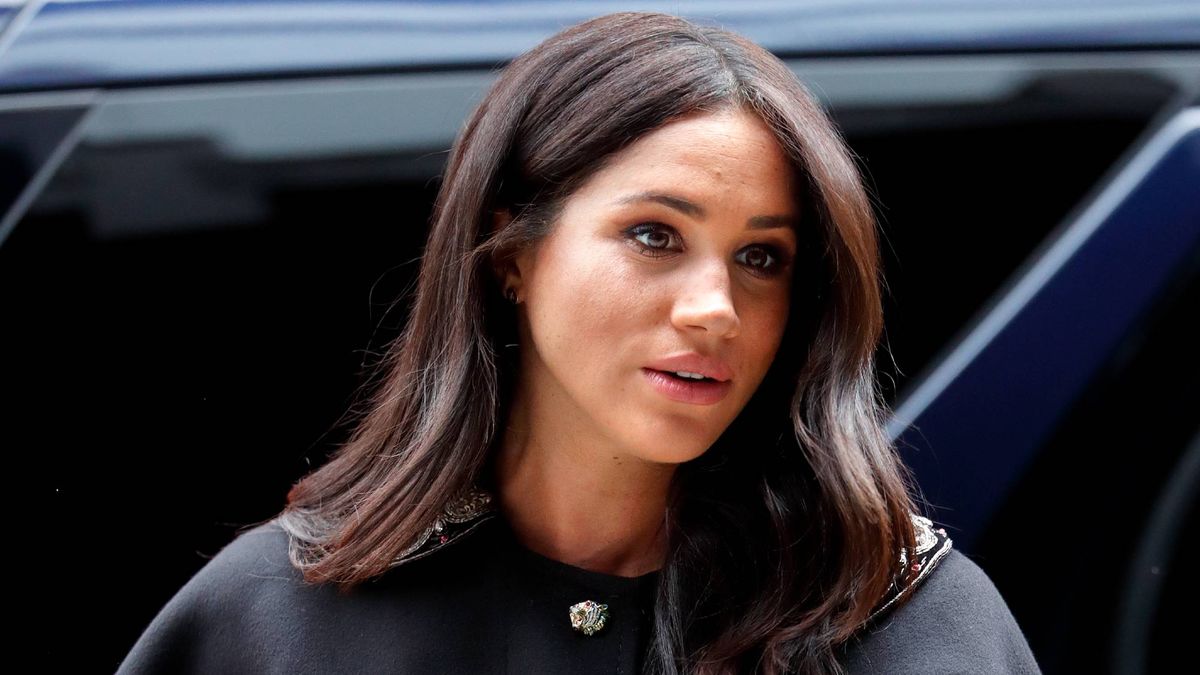
While Meghan Markle’s camp continues to fight the narrative, the momentum has shifted irrevocably. The “Royal Hammer” has landed, and the reverberations are clear: the era of the unofficial, celebrity-driven royal experience is over. The dignity of the institution has been reclaimed, but the cost has been a permanent, irreparable rift in the Windsor family.
As the dust settles, the question remains for the public: Do you believe King Charles took the necessary steps to save the monarchy’s dignity, or was this a move that has forever cemented a permanent fracture in the royal family?