Headlines spread fast—sometimes faster than the facts themselves. Recently, a viral post claimed that “30 minutes ago in Utah, Charlie Kirk’s wife was confirmed as…” and framed it as an official appointment to a prominent position. Supporters and critics alike rushed to react, flooding social media with speculation.
But is it true? What do we actually know about Charlie Kirk’s wife, her civic involvement, and whether she holds an official role in Utah? Let’s unpack the facts, the context, and the bigger picture behind this type of viral political story.
Who Is Charlie Kirk’s Wife?
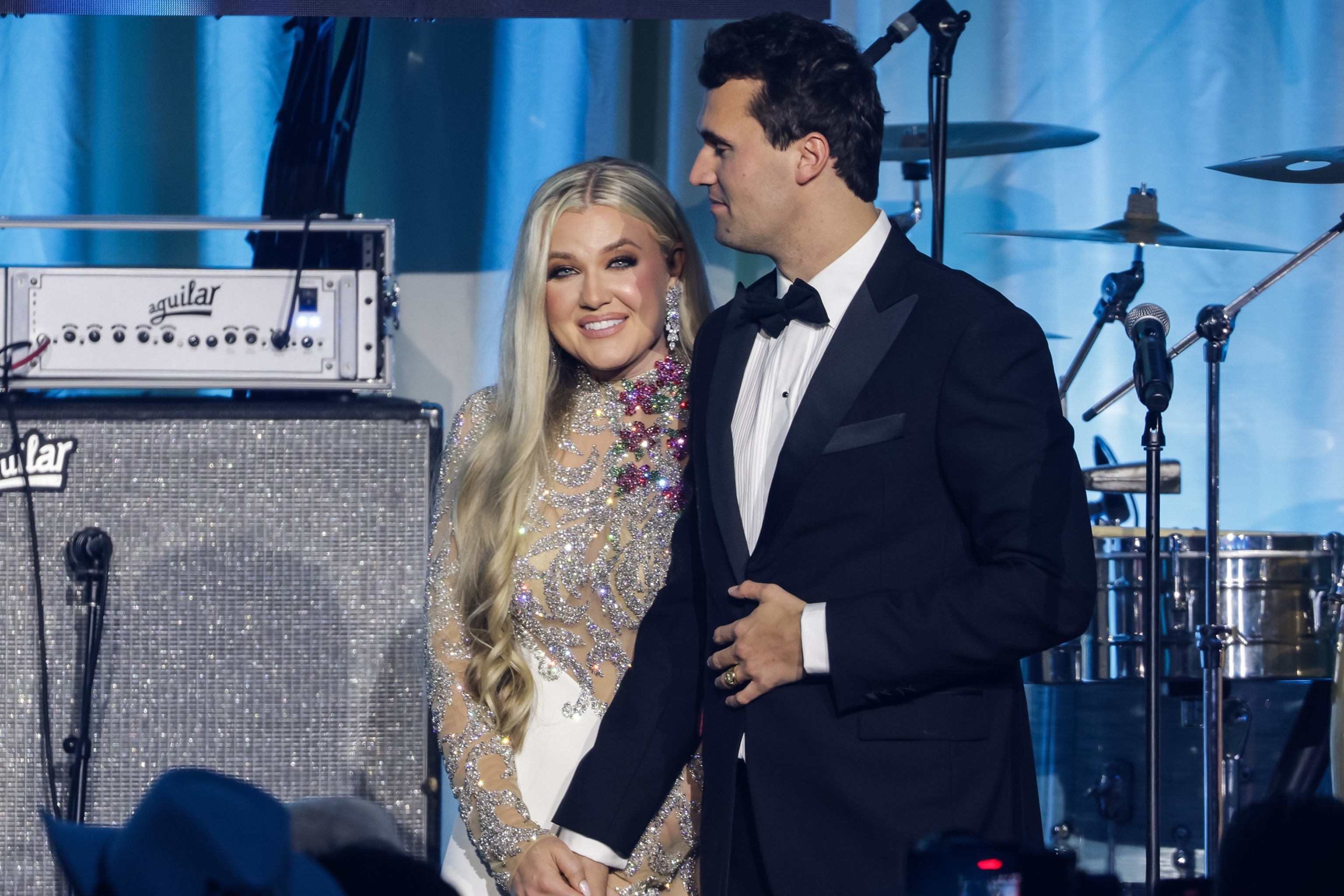
Charlie Kirk, founder of Turning Point USA, is a well-known conservative activist with a strong presence in political media. His wife, Erika Frantzve, is recognized for her involvement in civic and community projects.
-
Erika is a former Miss Arizona USA.
-
She has pursued graduate studies in Christian ministries and law.
-
She is active in faith-based initiatives, philanthropy, and business ventures.
-
She has been vocal about community engagement and social issues through podcasts and nonprofit work.
Her public profile has grown alongside Charlie Kirk’s, making her a recognizable figure within certain circles of American civic life.
The Viral Claim: A Utah Appointment

The headline circulating online claimed that Erika Kirk (Charlie Kirk’s wife) was “confirmed to a prominent role in Utah”—but offered no specifics about the office, the department, or the official authority confirming the appointment.
-
No official press release: Confirmations to state roles are typically announced by the governor’s office, legislature, or relevant state agencies.
-
No mainstream media coverage: Outlets like the Salt Lake Tribune, Deseret News, or AP News Utah would cover such an appointment immediately.
-
No government record: Utah maintains public records of state board, commission, and agency appointments, none of which list Erika Kirk.
Without these elements, the claim appears more like a viral rumor than a verified fact.
How Political Appointment News Is Normally Confirmed
To understand why this matters, it helps to know how political appointments are usually confirmed in U.S. states:
-
Governor’s Office Announcement: Appointments to state commissions, boards, or high-level offices are released through the governor’s press office.
-
Legislative Confirmation: Some roles require approval by the state legislature, which is publicly recorded.
-
Agency Publication: State agencies often update their websites with rosters of newly appointed officials.
-
Media Coverage: Local and national outlets verify and report such developments.
In Utah, all of these steps are transparent. The absence of Erika Kirk’s name in any of these contexts strongly suggests the viral headline is not factual.
Why Rumors About Political Spouses Spread

It’s not unusual for the spouses of political or media figures to become subjects of speculation. In many cases, their visibility in civic or nonprofit spaces leads people to assume or exaggerate official influence.
Key Drivers of Rumors
-
Name recognition: Familiar figures generate clicks and attention.
-
Political polarization: Supporters and opponents alike may share unverified claims to fit their narratives.
-
Blurred lines: Civic activism, nonprofit leadership, and government roles are often confused in online discussions.
-
Social media amplification: Once a headline gains traction, repetition gives it the illusion of credibility.
In this case, Erika Kirk’s genuine civic involvement may have fueled assumptions that she had been officially appointed to public office.
The Reality: No Verified Appointment in Utah
At present, there is no credible evidence that Erika Kirk has been confirmed to any state position in Utah. Neither Utah’s governor’s office nor any official government source has made such an announcement.
Instead, the viral post appears to be an example of misleading framing—taking a person’s civic activities or associations and presenting them as government confirmation. This practice is not only misleading but also contributes to public confusion.
How to Fact-Check Headlines Like This
For readers who encounter dramatic political claims online, here are reliable steps to separate fact from fiction:
1. Check Official Sources
-
Utah Governor’s Office announcements
-
Utah State Legislature records
-
State agency websites
2. Look for Reputable News Coverage
If major local or national outlets haven’t reported the news, chances are it hasn’t happened.
3. Beware of Vague Headlines
Phrases like “prominent role,” “officially confirmed,” or “shocking announcement” without details are red flags.
4. Trace the Original Source
Often, viral claims originate from small blogs, partisan pages, or social media accounts with no track record of accuracy.
5. Use Fact-Checking Platforms
Websites like AP Fact Check, PolitiFact, and Snopes often review high-traffic rumors.
Why Accuracy Matters
Misinformation about political figures and their families can:
-
Mislead the public about who holds power.
-
Distract from real policy debates.
-
Undermine trust in journalism and government institutions.
-
Fuel unnecessary polarization.
Ensuring accuracy protects not just individuals like Erika Kirk, but the integrity of public discourse overall.
Context: Political Spouses in Public Life
Even if Erika Kirk has not been confirmed to a Utah role, it’s worth noting that spouses of political figures often play important roles in civic life. From Eleanor Roosevelt’s advocacy during FDR’s presidency to modern first spouses’ work in education, health, and community service, the contributions of political partners are significant.
Common Areas of Involvement
-
Nonprofit leadership
-
Education initiatives
-
Healthcare advocacy
-
Faith-based programs
-
Cultural and heritage projects
Erika Kirk’s involvement in faith-based and community projects fits into this broader tradition of civic engagement without requiring official state confirmation.
Social Media Reactions
Despite the lack of verification, social media platforms lit up with reactions to the viral Utah headline. Some celebrated the supposed news as a win for civic leadership, while others critiqued it as nepotism or political favoritism.
This rapid polarization underscores the problem: unverified stories drive emotional responses before the facts are clear.
The Bigger Picture: Media Literacy in Politics
The case of Charlie Kirk’s wife and the Utah confirmation rumor highlights the urgent need for stronger media literacy. In today’s information environment:
-
Readers must become their own fact-checkers.
-
Journalists must resist amplifying unverified claims.
-
Platforms must work to curb the spread of misleading content.
Ultimately, informed citizens are better equipped to engage in democracy.
FAQs About the Utah Confirmation Rumor
Was Charlie Kirk’s wife confirmed to a Utah position?
No verified evidence supports this claim. No official announcements have been made.
Who is Charlie Kirk’s wife?
Her name is Erika Frantzve Kirk. She is known for her civic, nonprofit, and faith-based involvement.
Why did the rumor spread?
Her public profile and civic work may have been exaggerated online, combined with vague headlines designed for clicks.
How can I verify political appointment news?
Always check official government sources and trusted news outlets before sharing.
Why does this matter?
Unverified political claims can distort public understanding and fuel misinformation.
Conclusion
The viral headline claiming “30 minutes ago in Utah, Charlie Kirk’s wife was confirmed as…” may have captured attention, but the evidence does not support it. No official confirmation exists, and no Utah records list Erika Kirk in a government role.
What the story reveals, however, is the speed with which rumors spread online—and the importance of verifying claims before reacting. Erika Kirk remains an active civic leader, but there is no factual basis for saying she has been appointed to public office in Utah.
As with many viral stories, the truth is more complex, and the real lesson lies not in the rumor itself but in how we respond to it. By checking sources, demanding accuracy, and resisting the lure of vague headlines, readers can strengthen both their understanding and the health of democratic conversation.