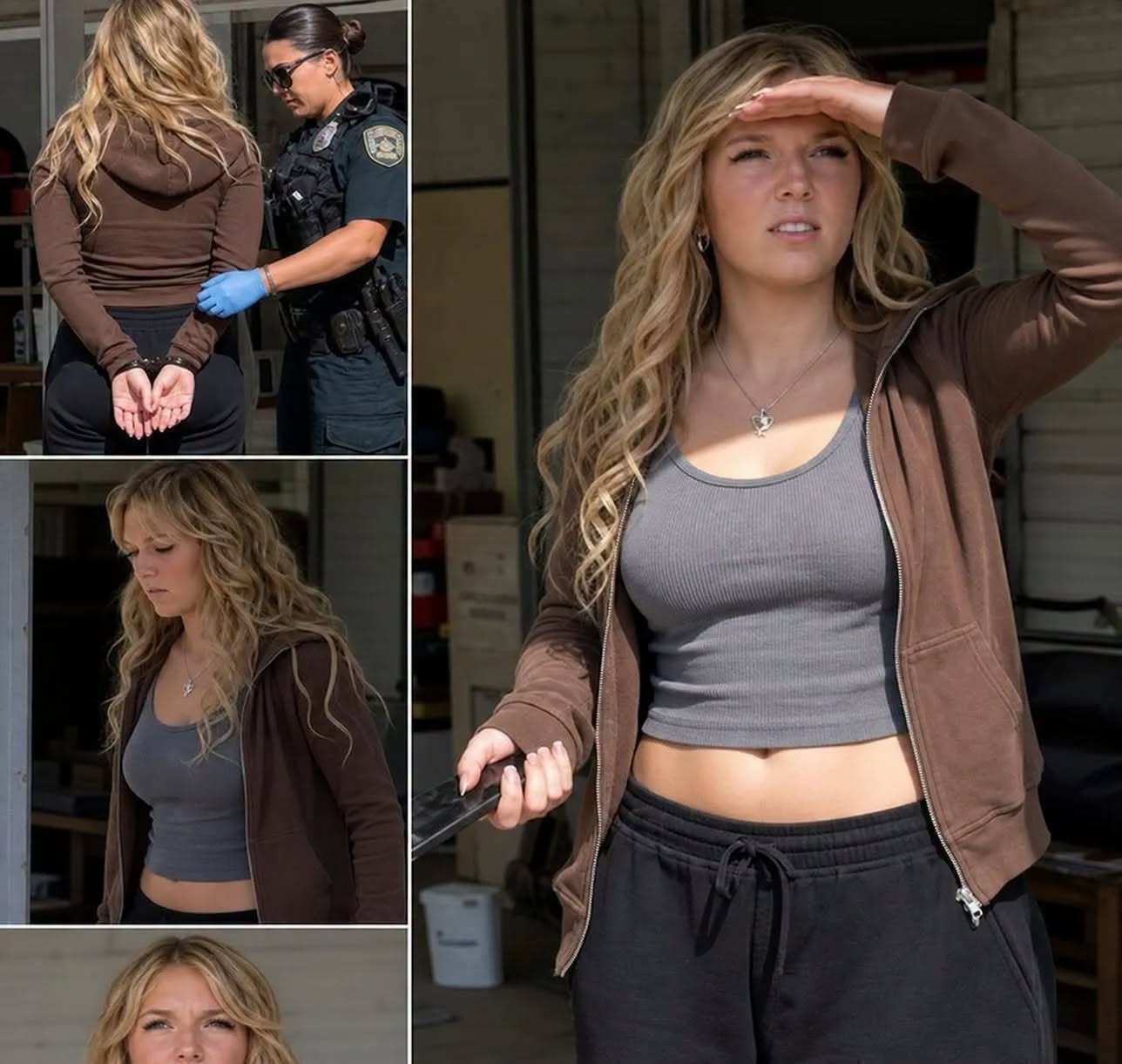
The first scream hit the air before anyone hit “record.”
Seconds later, the square was a forest of raised phones, and one person’s worst moment became everyone’s favorite spectacle. The police ended it on the ground—but online, it was just beginning. Commenters chose sides, invented motives, and tore into a stranger they didn’t kno… What unfolded in that square now lives far beyond it, replayed in feeds and stitched into reaction videos by people who were never there. A brief disturbance, resolved without injury, has been immortalized as content: paused, zoomed, and judged by millions who see only a sliver of the truth. The law treated it as a minor disruption; the internet treated it as a referendum on morality, mental health, policing, parenting, and “what’s wrong with society.”
Caught between those two realities is a human being whose worst day is now a permanent exhibit in the museum of public outrage. The incident forces us to confront an uncomfortable question: when we raise our phones, are we protecting the public, or prosecuting a stranger? Until we learn to pause before we post, our public spaces will keep doubling as stages—and our reflex to film first, think later will keep turning ordinary fractures into permanent digital scars.
CAUGHT ON CAMERA: THE EXPLOSIVE PUBLIC BREAKDOWN